
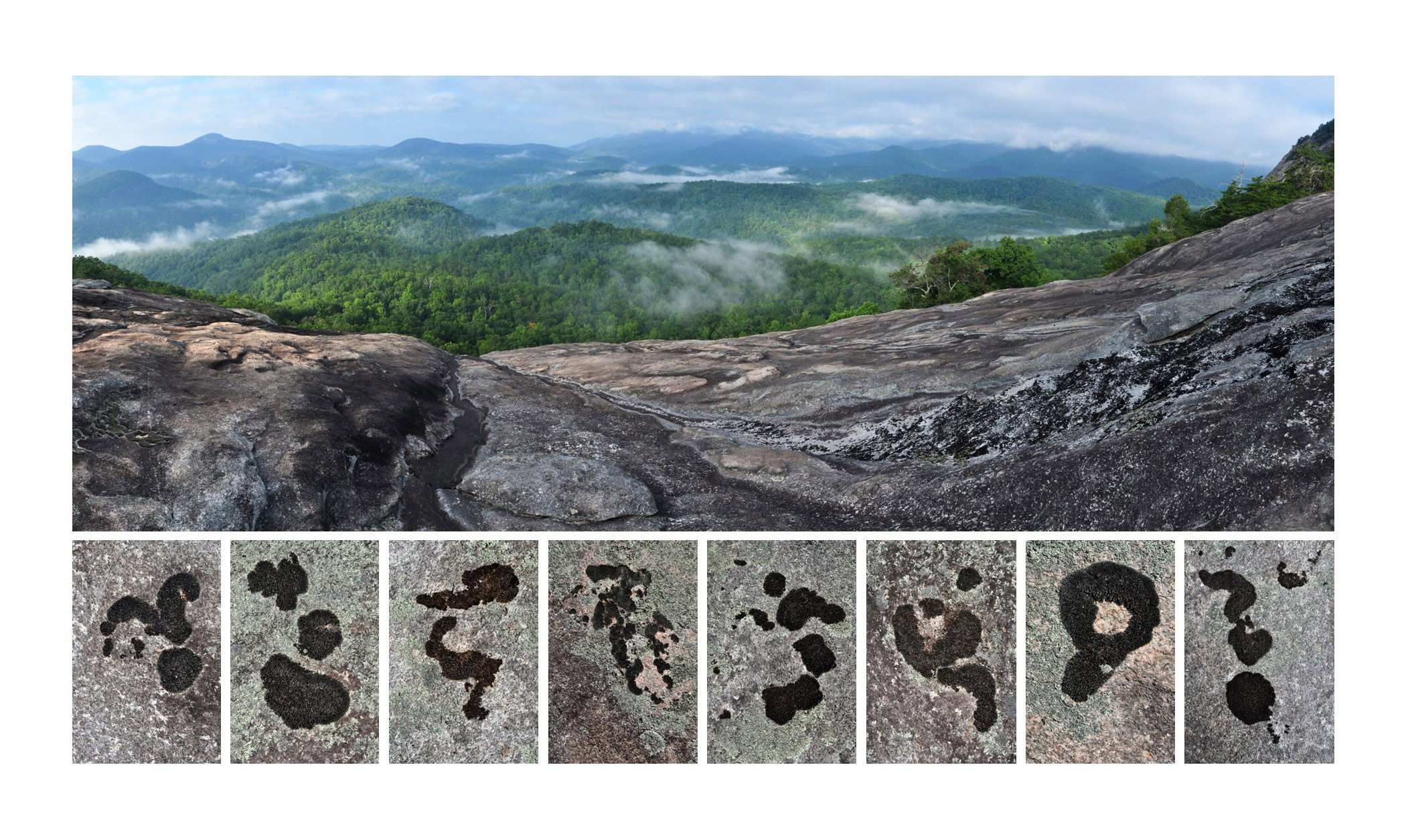
Long in the making, my book Looking Glass Rock: Grandeur and Abundance in the Southern Appalachian Mountains is now available from the publisher Clemson University Press as well as from Amazon and other booksellers. The book jacket provides this summary: “Beginning as a project to photograph a wild place through the seasons, this book developed over time into a deep study of the natural and human history of an outstanding feature of North Carolina’s Pisgah National Forest. Looking Glass Rock is a pluton, a massive mound of granite defined by towering cliffs that attract elite climbers as well as casual hikers and sightseers. An extensive photographic archive of its natural phenomena forms the core of the book, supplemented by historic images and maps. An accompanying essay explores the botanical abundance and unique geology of Looking Glass Rock, as well as the various peoples — Cherokee Indians, hardscrabble Scots-Irish farmers, wealthy Biltmore estate owners, loggers, moonshiners, and Civilian Conservation Corpsmen — who once occupied the area and left traces of their former presence. This book offers a model for an exploration of a particular Appalachian landscape with a fulsome appreciation for both its wild beauty and its compelling human story.”
— 15 Dec 2025
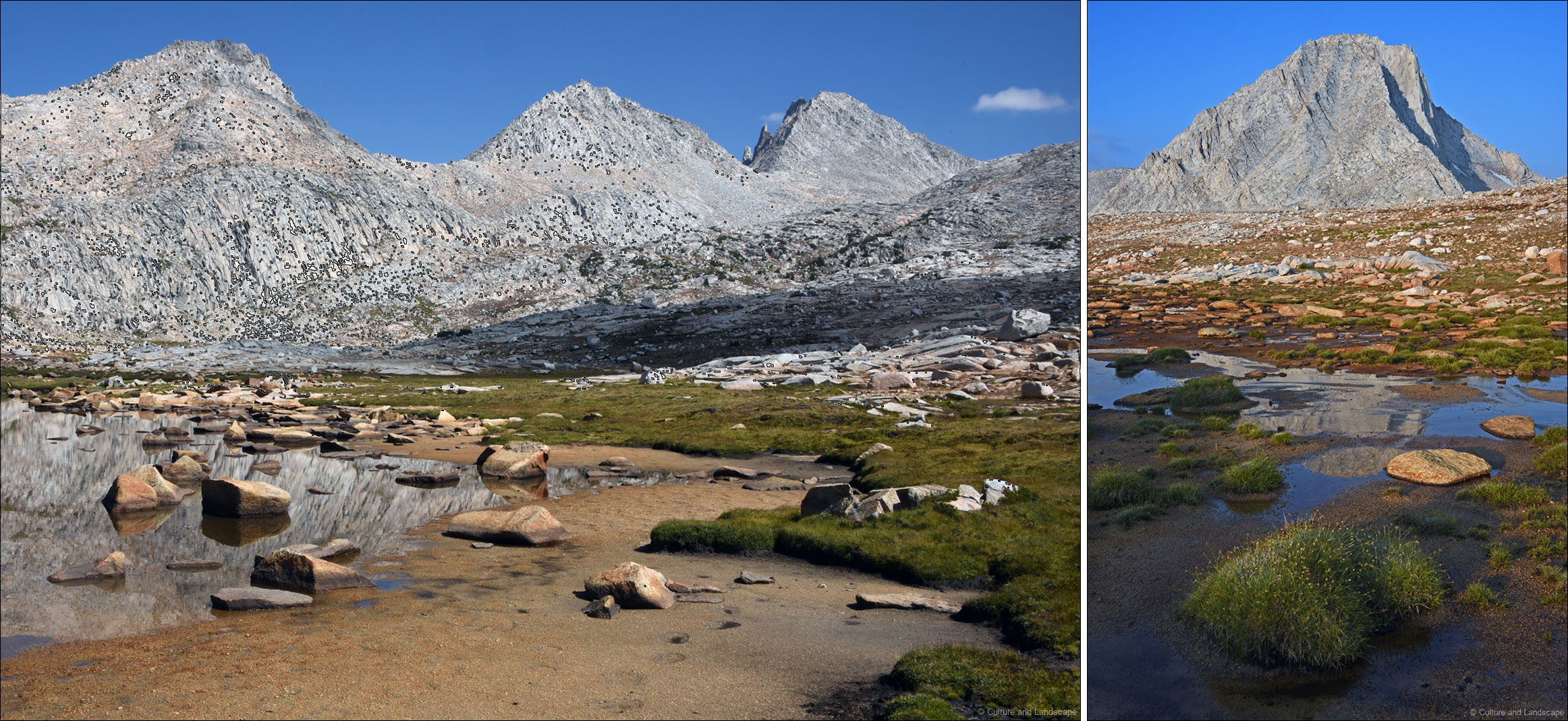
A week of backpacking in the John Muir Wilderness in the Sierra Mountains of California was a demanding physical test of off-trail travel and a deeply fulfilling experience of rugged mountain terrain and high elevation lake basins. For a large group of photographs of this wilderness location, see the Sierra Range gallery.
— 6 Oct 2025
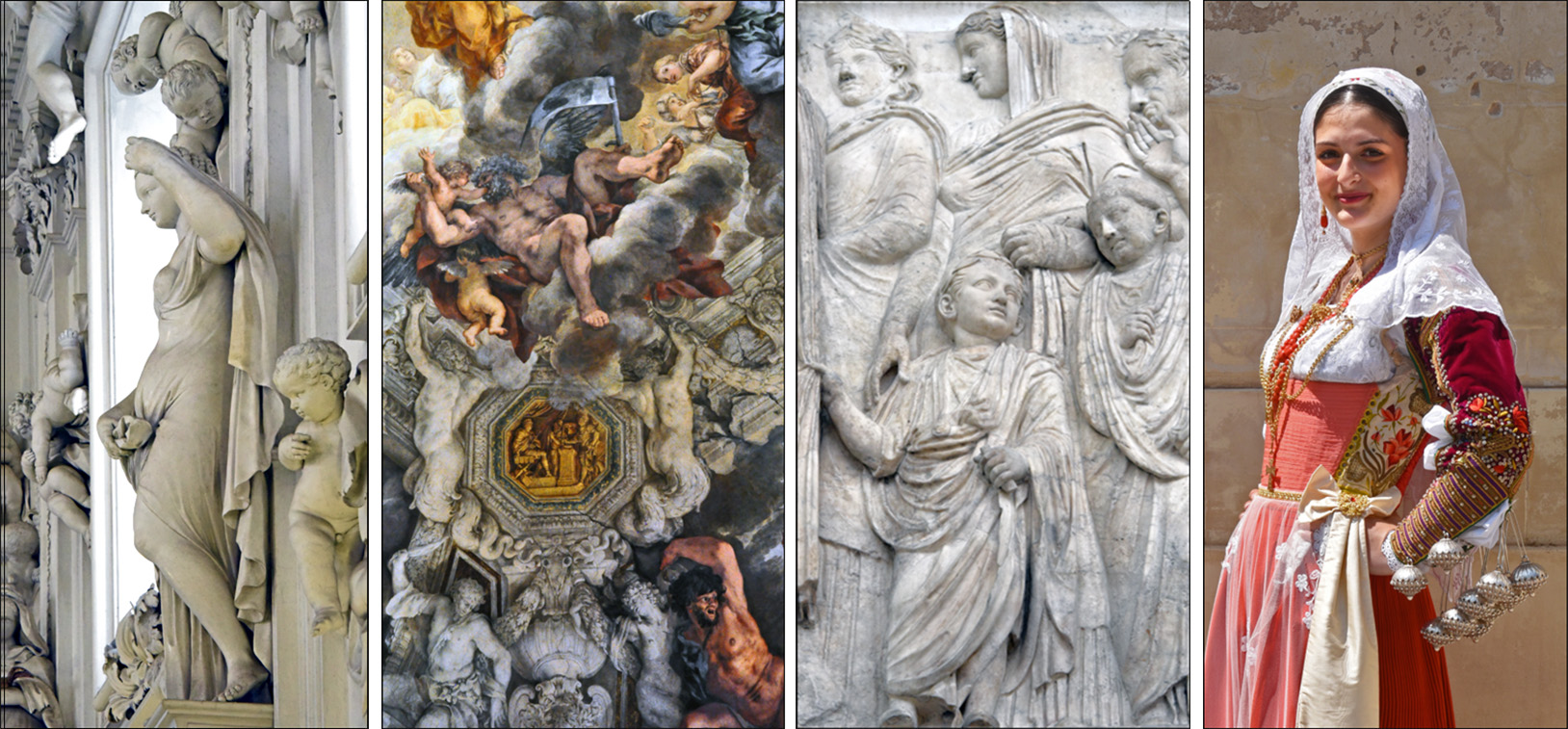
Travel in Italy during the month of May to Sicily, Sardinia, and Rome offered a rich array of subjects to photograph: ancient ruins, weathered and stained plaster walls, abundant street art in Palermo, Sicilian carts and puppets, prehistoric nuraghi, Norman and Sardinian Romanesque architecture, seductive Baroque ornament, and thousands of participants in traditional costume at the annual Cavalcata Sarda in northern Sardinia. New photography of these and other subjects may be seen in the Culture galleries Sicily, Sardinia, and Malta and The Stones of Rome.
— 29 Jul 2025
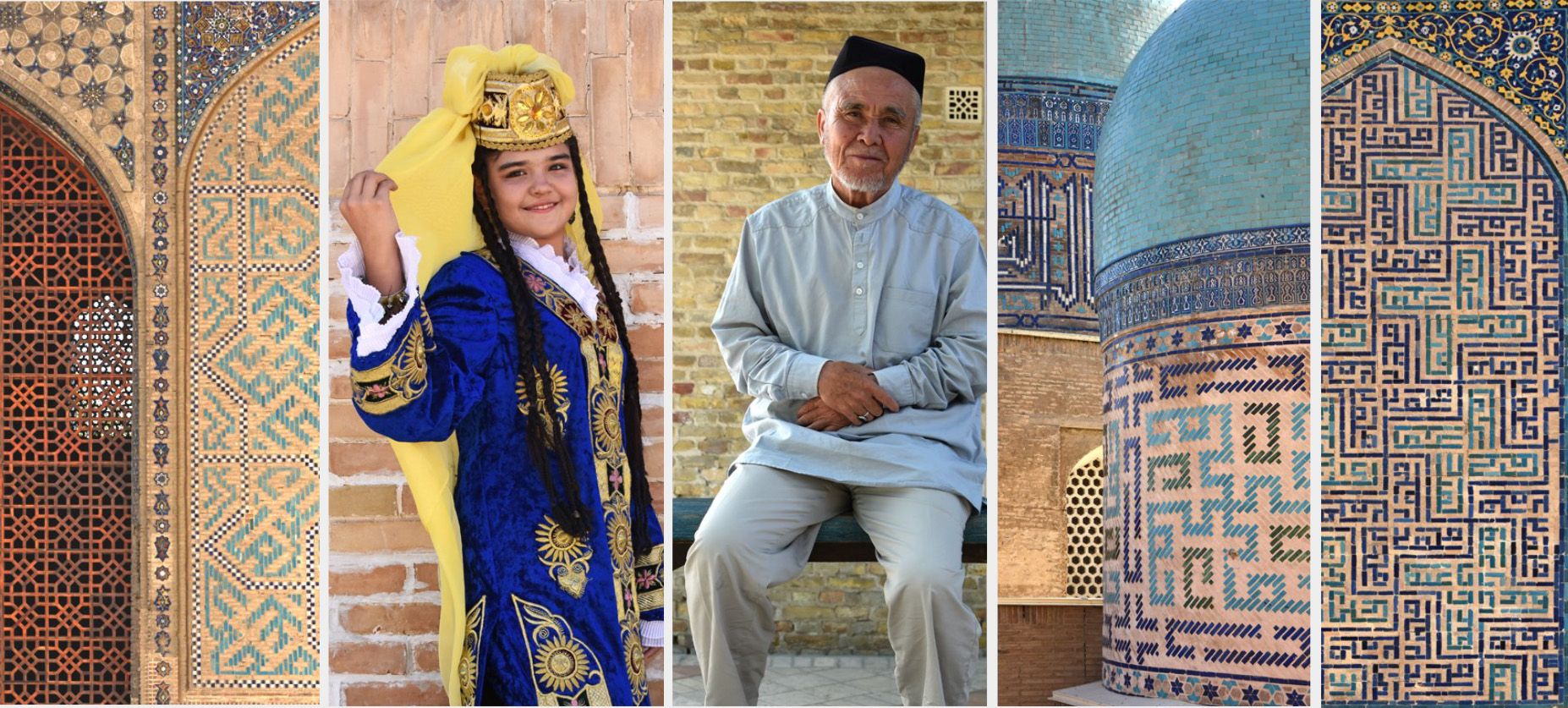
A trip to Uzbekistan to see the Islamic architecture of mosques, madrasas, and mausolea occasioned many memorable encounters with the extraordinary kindness and hospitality of the Uzbek people. They gladly agreed to pose for photographs, initiated conversations in subway stations and on trains to practice their English, and sometimes placed a hand over the heart when passed on the street. The architecture of the Silk Road cities of Khiva, Bukhara, and Samarkand was as impressive as I expected. Dating to the Timurid and Shaybanid dynasties of the fourteenth to sixteenth centuries, those monumental structures have simple axial plans with high entrance portals (peshtaks), vaulted interior spaces often decorated with honeycomb niches (muqarnas), and bulbous, sometimes ribbed turquoise domes. Their walls are covered in geometric patterns of intricate tile and brickwork and bands of Arabic calligraphy. A large group of images may be seen in the new Uzbekistan gallery.
— 21 Nov 2024